
How to Read Nutrition Labels While Grocery ShoppingHow to Read Nutrition Labels While Grocery Shopping
Grocery shopping can feel like a pop quiz nobody studied for. You pick up a cereal box, flip it around, and suddenly there are 17 numbers staring back at you. Nutrition labels look complicated, but you really only need to focus on a few important details. Once you know where to look, that tiny box becomes much less mysterious.
Start With the Serving Size
The serving size should be your first stop. It tells you how much food the listed nutrition numbers actually describe. A snack package might look like one serving, but the label could say there are two or three servings inside. That means eating the whole package can add up much faster than expected. Pay attention to the serving size before comparing two products. One granola bar might list nutrition for one bar, while another could use half a bar as its reference. Those numbers are not directly comparable until you account for the difference. Basically, check the fine print before your snack starts playing accounting games.
Check Calories in Context
Calories can be useful, but they should not be the only number guiding your cart. Think about what the food provides alongside those calories. A food containing protein, fiber, vitamins, and minerals may keep you satisfied longer than a snack with a similar calorie count and little nutritional value. The bigger picture matters. Also check how many servings you are likely to eat. If you know you will finish the entire container, mentally multiply the listed numbers by the number of servings. You do not need to perform advanced mathematics besides for frozen foods. A quick calculation is enough to understand what you are actually getting.
Look at Protein and Fiber
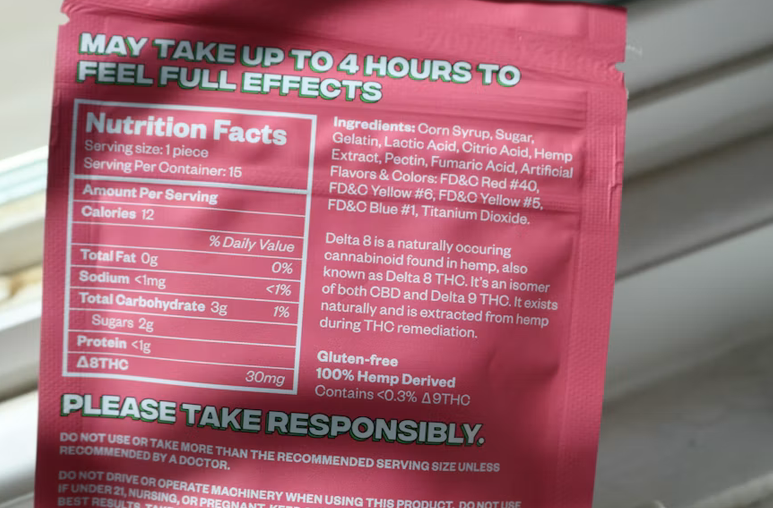
Protein can help support muscle maintenance and keep meals more satisfying. Fiber also matters because it supports digestion and can help you feel fuller after eating. These nutrients can be especially useful when comparing breakfast foods, snacks, breads, cereals, and packaged meals. Look at the numbers instead of trusting words printed on the front of the package. The ingredient list can add another layer of information. Foods with ingredients such as beans, oats, nuts, whole grains, vegetables, or fruit may provide useful nutrients alongside protein or fiber. You do not need to panic because an ingredient has a long name. Focus on the overall product and the nutrients that matter for your needs.
Watch Sodium, Added Sugar, and Saturated Fat
Sodium deserves attention, especially in packaged soups, sauces, frozen meals, and savory snacks. Added sugar can also climb quickly in sweetened cereals, drinks, desserts, and flavored products. Saturated fat is another number worth checking as part of your overall eating pattern. None of these numbers needs to turn your grocery trip into a courtroom drama. Compare similar products side by side. One pasta sauce may contain considerably more sodium than another, while two yogurts can have very different amounts of added sugar. Small label checks can help you spot these differences quickly. You can then choose the option that fits your usual eating habits and preferences.
Read the Ingredient List Last

The ingredient list tells you what actually goes into the product. Ingredients are generally listed by weight, so the first few can give you useful clues about the food’s composition. If you are comparing two similar products, this section can help explain why their nutrition numbers differ. It is another piece of the puzzle, not a reason to reject every ingredient you cannot pronounce. Remember that packaged food does not need to be perfect to earn a place in your kitchen. A practical grocery trip includes foods you enjoy, foods that fit your budget, and foods that support your nutritional needs. Use the label as information rather than a scorecard. Your goal is to make informed choices without turning every supermarket visit into homework.
Reading nutrition labels gets easier once you follow the …